🌿 Our Process of Canola Oil Extraction
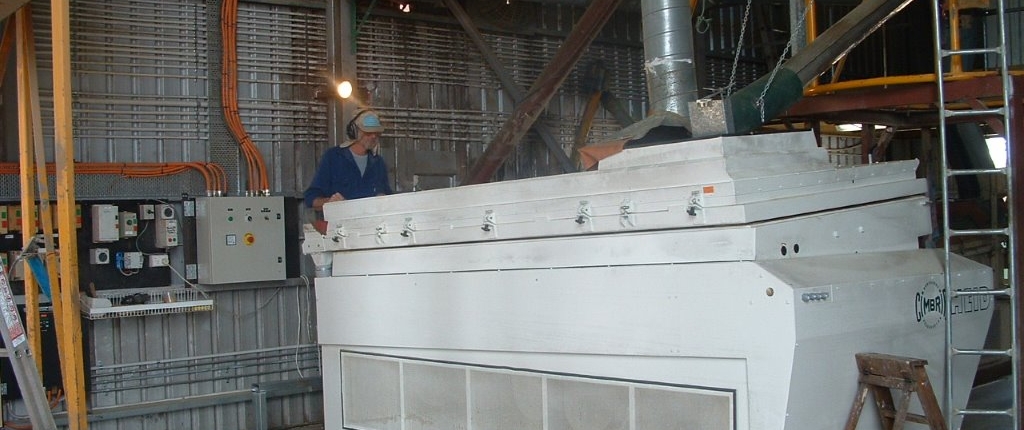
Seed Cleaning
Objective: Remove impurities (dust, plant debris, stones, etc.)
Process: Canola seeds are passed through vibrating sieves, magnets, and air classifiers to ensure only clean seeds enter the next stage.
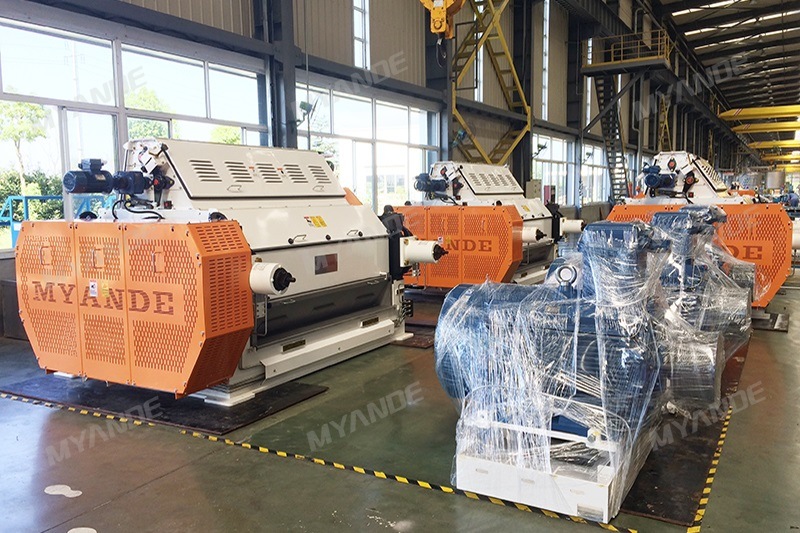
Seed Conditioning and Flaking
Conditioning: Seeds are gently heated (35–40°C) to soften them.
Flaking: The softened seeds are pressed into thin flakes using rollers. This increases surface area, making oil extraction more efficient.
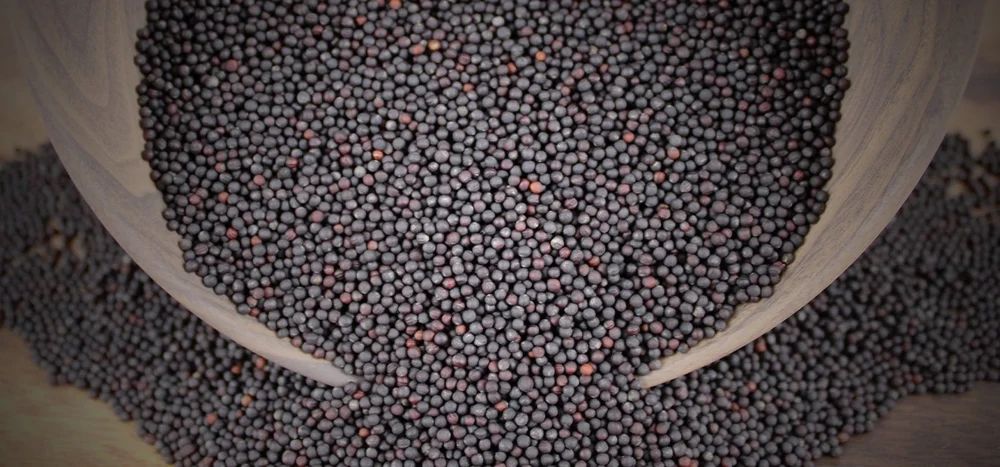
Cooking (Optional)
Purpose: Ruptures oil cells and adjusts moisture content.
Temperature: Heated to around 80–105°C for 15–20 minutes.
Benefit: Improves oil yield and reduces residual oil in meal.
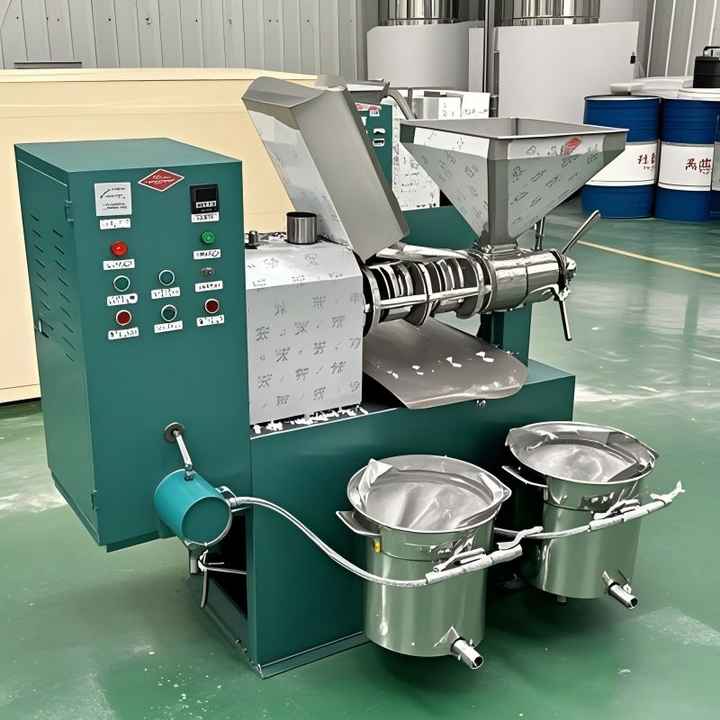
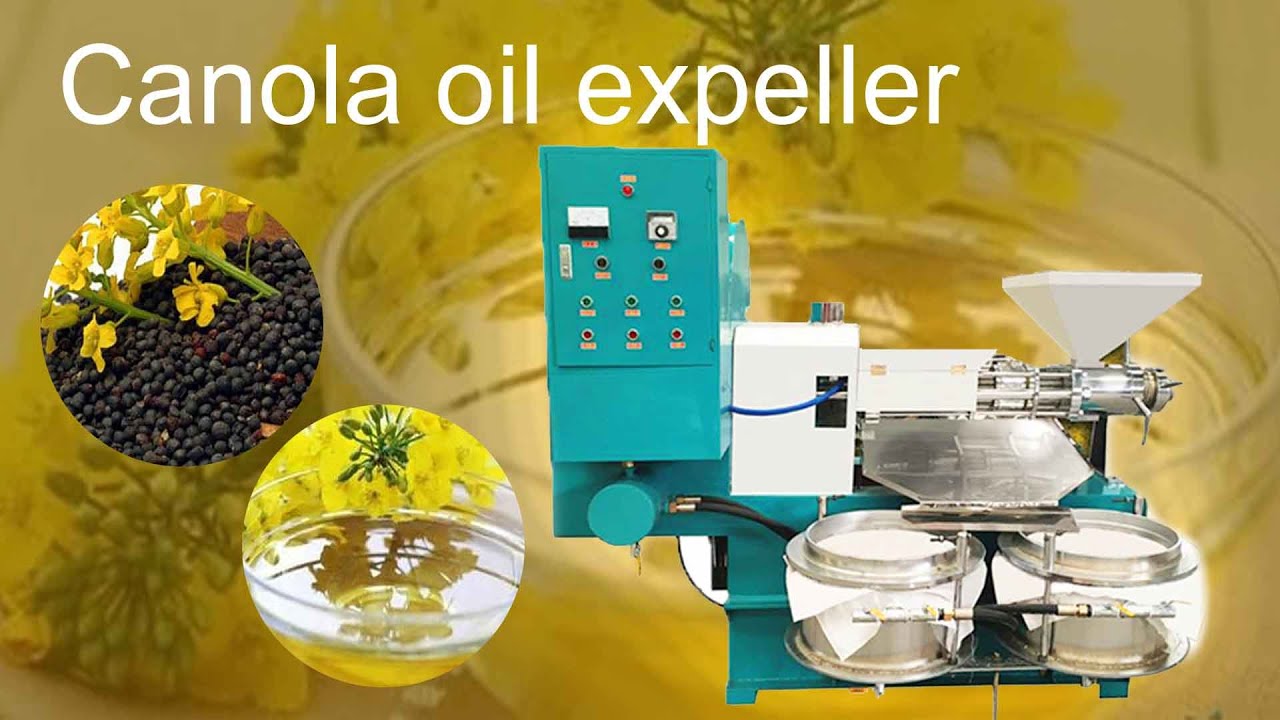
Mechanical Pressing (Expelling)
Equipment: Screw press or expeller.
Output: Crude oil + canola cake (partially de-oiled meal).
Note: Some oil remains in the cake, which is further extracted using solvents.
Solvent Extraction
Solvent Used: Typically hexane.
Process:
The canola cake is treated with hexane to extract remaining oil.
Oil-solvent mixture is then separated.
Desolventizing: The meal is heated to remove hexane residues and make it suitable for animal feed.
Oil Desolventizing and Recovery
Evaporation and Steam Stripping: Used to remove hexane from the crude oil.
Hexane Recovery: Hexane is condensed and reused to minimize environmental impact.
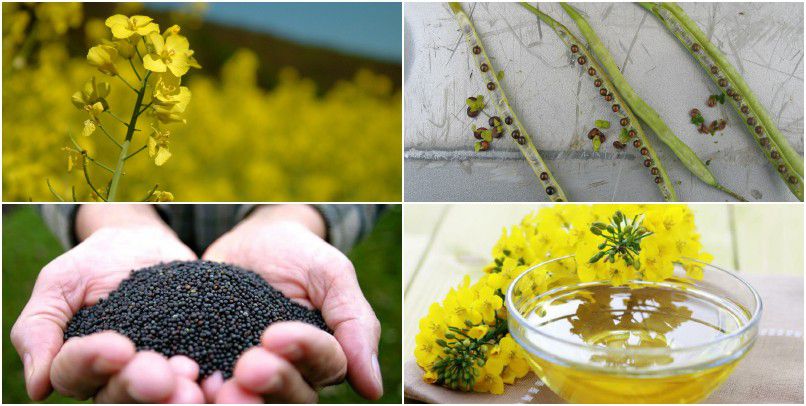
Crude Oil Refining
Refining removes undesirable compounds like free fatty acids, phospholipids, pigments, and odors.
Refining Steps:
Degumming: Removes gums (phospholipids).
Neutralization: Removes free fatty acids.
Bleaching: Removes color pigments using bleaching clay.
Deodorization: Steam distillation removes odors and volatile compounds.
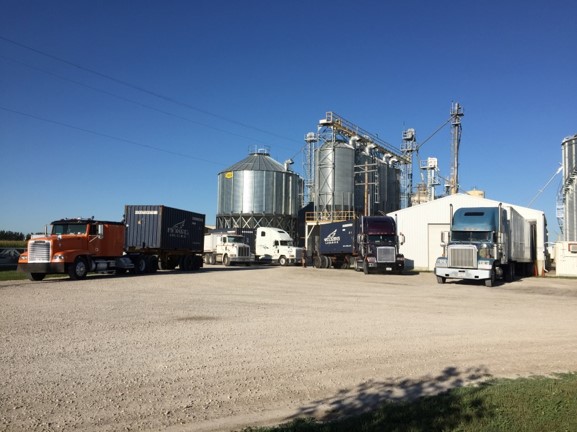
Packaging and Storage
The refined oil is cooled, filtered, and stored in stainless steel tanks before being packaged for distribution.
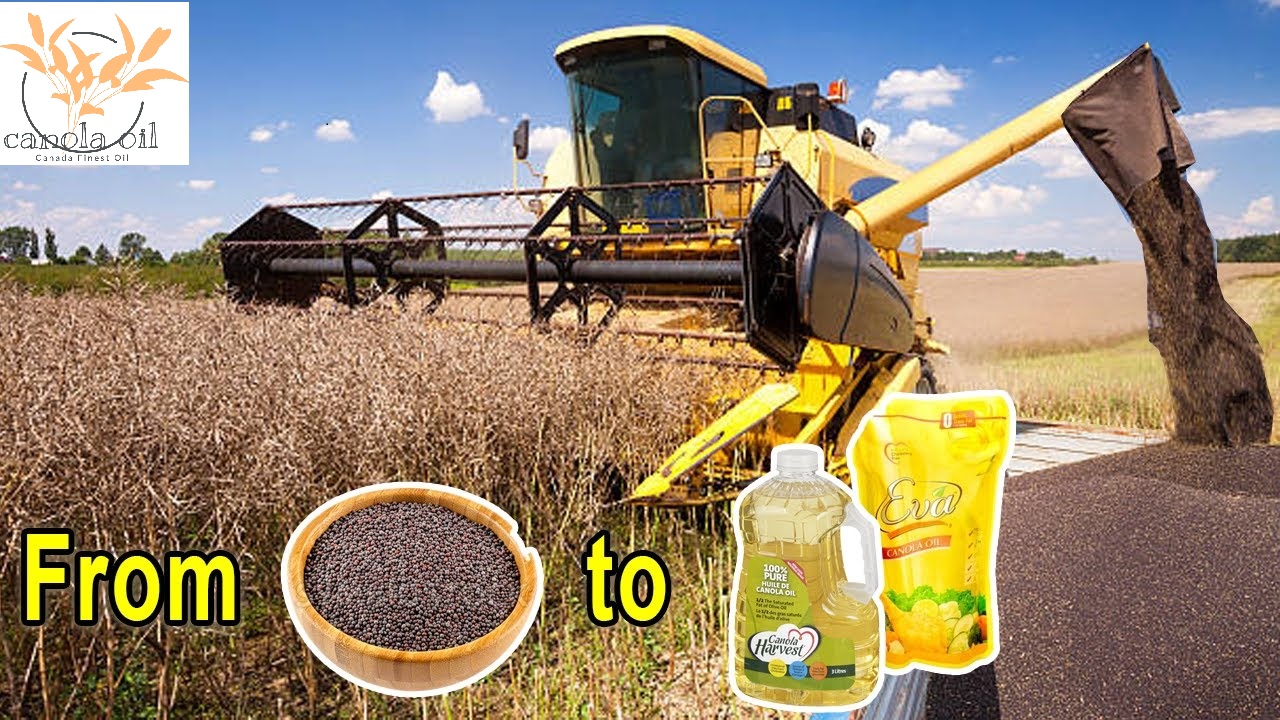
✅ Quality and Safety
Regular testing ensures the oil meets food safety standards.
We prioritize non-GMO, low trans-fat, and high-nutrient profiles in our final product.